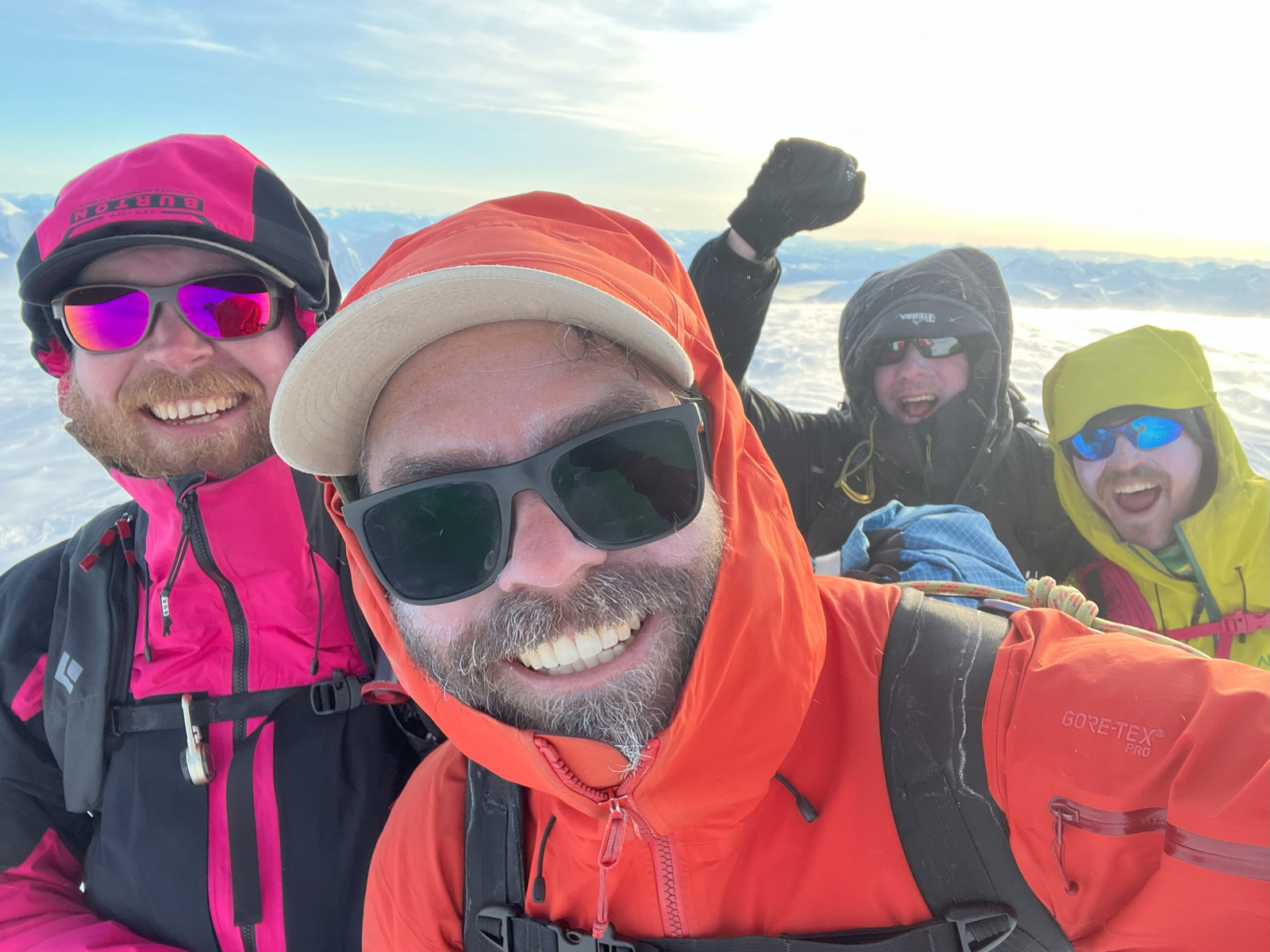
Today we’re sitting down with the founder of Tend, John Horan, to talk planning, being obsessed with things, and Big Rooibos.
Tend: Who are you and why did you start making diaries?
JH: I’m a ski guide and reformed ski bum from Canberra, Australia who moved to Otautahi | Christchurch in 2023. I started making diaries because I wanted a diary that suited my life and I thought that maybe other people would like the same things I like. Also it was super expensive and a lot of work to order just one custom print.
Tend: Do other people like the things you like?
JH: I hope so because I’ve printed quite a few of these diaries… But in my defense, I was an early adopter of rooibos tea and now it’s everywhere. If I had bought shares in Big Rooibos back in the nineties when I first saw how good it was I would now be able to afford whatever one-off custom diary I want.
Tend: Could you have bought shares in Big Rooibos?
JH: No I was a kid at the time. I had no money for shares. I could barely buy a bus ticket.
Tend: What was so wrong about other diaries that you had to make a whole new one?
JH: OK so there are basically three types of diaries on the market. You can get a relatively cheap diary that’s basically a simple notebook with some dated pages and it’s not especially nice to use. You can get a diary that has better quality paper and binding and usually has some space to organise your time or make plans or goal set. And you can get something that is sparkly and has rainbows or unicorns on it.
I like things in that middle category. Something that’s nice to write in, helps me organise my thoughts a bit, and doesn’t fall apart mid-year. But those diaries are usually aimed at business go-getters and high achievers and they’re just a bit gross. I don’t want inspirational quotes about seizing the power of you and how after you’ve made your first million the second million is easy, and all the planning exercises are about goal setting and none of that really works for me.
My life isn’t organised around goals or making a lot of money or “winning” at anything. It’s oriented around a bunch of things that I do, that I’m passionate about, that give me a lot of joy and something approximating meaning. And when you’re like that I think you end up around other people who are also super passionate about what they’re doing, so I know there are lots of other people in the same boat. So I thought I’d make a diary for us.
Tend: Is that where the idea for streams in the Tend Planner comes from?
JH: Yes! I’ve basically always had things that I loved doing that were big priorities in my life. And those things have changed over time but that’s always been a part of my life. So I wanted to give people tools to plan their lives around those big, major priorities.
But I’ve also spent a lot of time in communities where people don’t really think about whatever it is they’re passionate about and their relationship to it can get unbalanced or unhealthy. As a student I was really into Ultimate Frisbee and I trained all the time and played and coached at the international level. And I saw a bunch of people whose social life and self esteem were so tied up in the sport that they ended up on autopilot. And mostly that was fine but some of them would have been happier and healthier (and probably better at Ultimate) if they took a step back and thought about what they were doing.
So I tried to think of the questions we should have been asking ourselves and each other. What do I actually want out of this? Is this balanced with my job or study or family? What is really important about this? Where is this not working for me? Do I need to take a break?
I am strongly in favour of being obsessed with things, but I want to be deliberate so that our obsessions serve us, instead of us serving them.
Tend: So what are your streams now, and how are you deliberate about them?
JH: My streams are skiing, climbing and writing.
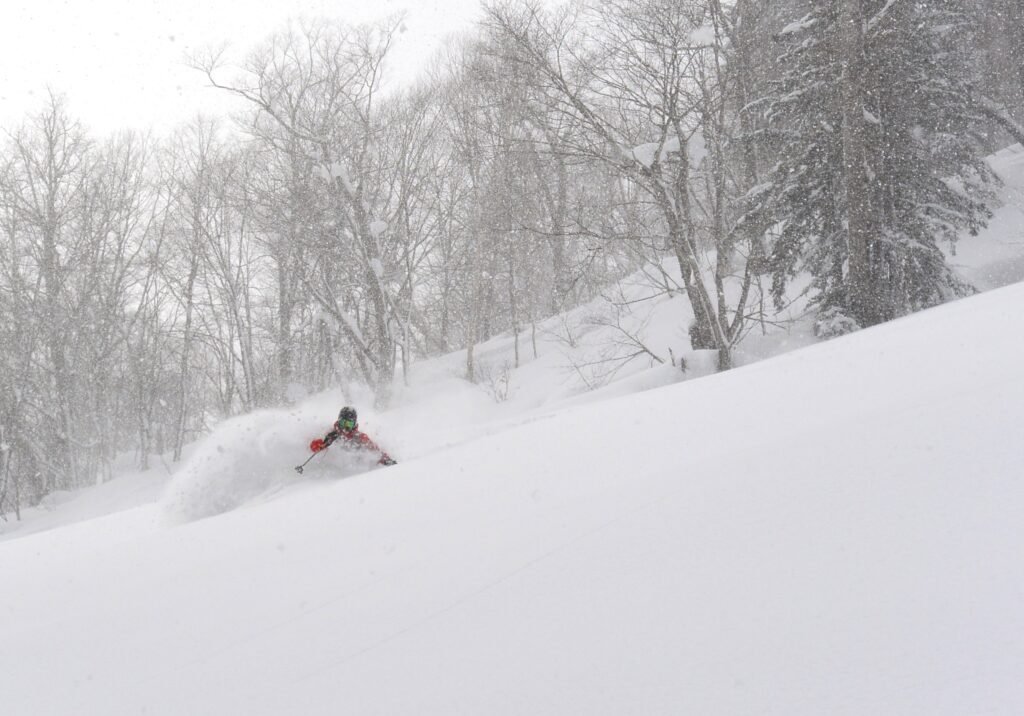
Skiing is the main thing that my life is organised around – it’s a huge passion and my career. In the last few years I’ve had a lot of focus on the job side of that equation. I completed my guiding qualification and also expanded a guiding business I run in Japan, so it has been important to make sure that skiing doesn’t just become work. It’s also has to still be fun and challenging and give me a connection to nature and a way to spend time with friends.
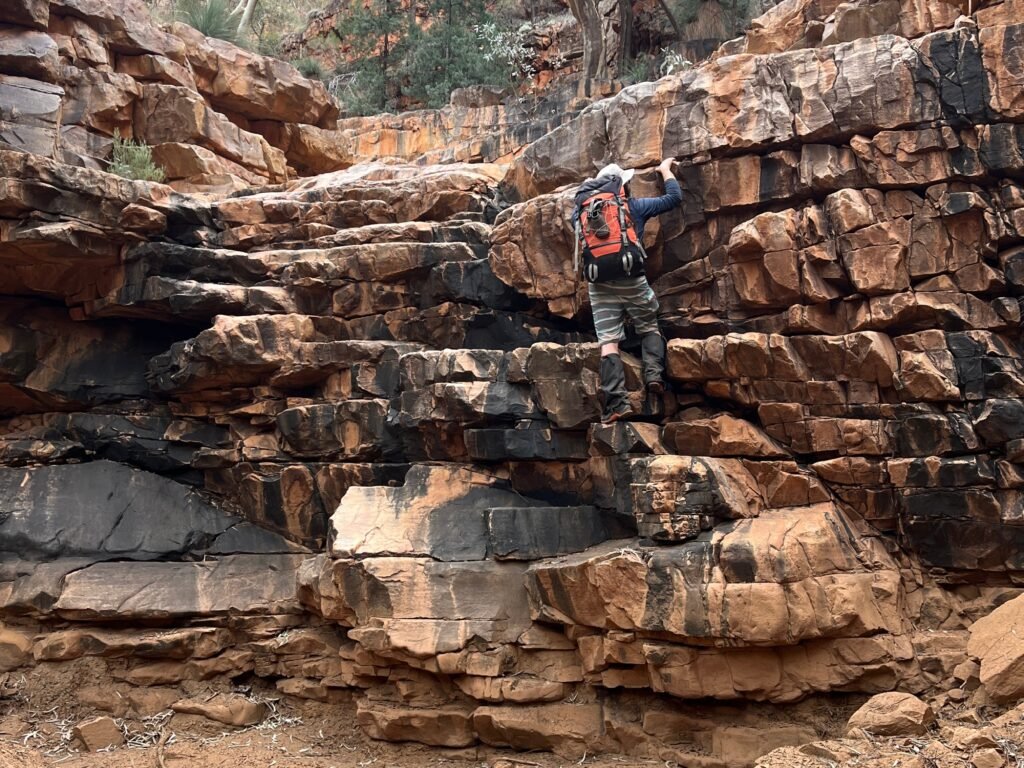
I’ve been climbing since I was a teenager but it has always taken a back seat to other things. This year I’ve been trying to maintain some strength through my winters so that I don’t have to restart from scratch when the ski season ends. Full disclosure – this has been a total failure…
And writing is a fairly new thing for me. Currently I’m trying to work on sitting down to write without worrying about the results, rather than waiting for inspiration to strike (usually while driving or walking up a big hill) and then trying to remember everything until I can get to my laptop. But I’m also hoping to use writing to make friends in Otautahi. I still feel pretty new here and I come and go a lot so I’m hoping this is a way to find a bit of a community.
But really the main way that I’m being deliberate about these things is by trying to focus less on them. After a decade of constantly moving and perhaps spending a bit too much time having fun I’m looking for a bit more stability in the rest of my life, especially housing and financial security. And hopefully after a bit more work on that front I can swing the pendulum back towards climbing and other fun stuff.
Tend: And where does the idea for seasons come from? Is that also from your own life?
JH: Yeah, absolutely. I have skied two winters a year (southern and northern hemisphere) for most of the last 15 years. During the ski season my life is really organised around working and being in the mountains, and then that focus changes in the spring and autumn. But even before that my life was organised around frisbee seasons, recovering from injuries, university semesters, busy periods at work. For me life has never just been a steady parade of days, there has always been different chunks of time that have been focused on different things. Planning for me is much more about steering the various things I’m doing through radically different circumstances than clear goals and linear pathways you can just tick off.
Even now I’m doing this interview with a broken wrist while I build a new Tend website and try to buy a house in Japan when I thought I’d be heliskiing in Aoraki-Mt Cook.
Tend: This brings us to a slightly awkward but important issue: Are you someone people should trust to help organise their life? Does any of this work?
JH: Am I a good role model for being organised? Not in any traditional sense. But I am a good role model for growing and building a life based on being passionate about things. And does any of this work? Well if you think about this in terms of making plans and sticking to them and check-boxes and deliverables then no. Absolutely not. If you can make your life into a successful Gantt Chart then congratulations – your life is either tragically simple or you’re very well off. My life is unpredictable. Unexpected things happen all the time. Every plan gets derailed.
The point of all this isn’t to live some super structured, organised life where everything goes as you expect. The point is to be thoughtful and deliberate about what you are doing. Thinking about streams and season planning means that when unexpected things happen you’ll have a better understanding of what’s really important. Of where best to make compromises. Hopefully you’ll have taken better care of yourself so you’ll have more capacity.
The Tend Planner encourages you to build habits: Being deliberate, being consistent, checking in with yourself, thinking about what really matters, reflection. You can’t control the other stuff, but hopefully these habits will mean you can ride those waves instead of getting dumped by them.
Tend: Do you think anyone every actually uses that stuff?
JH: I don’t particularly care. If it’s helpful for people (and apparently some people are using the planners fairly diligently) then great. At the end of the day it’s a nice diary. If people get some joy out of writing in it or looking at the artwork and writing then that’s a total success for me.